If you've ever caught your dog sneaking a cat treat from your feline friend's stash, you're probably wondering: Can dogs eat cat treats? It's a common scenario in multi-pet households, and while the occasional stolen snack might not cause immediate harm, there are some important differences to understand before letting it become a habit.
The short answer is that a one-time incident or infrequent treats won't likely send your dog to the vet, but regular consumption could lead to nutritional imbalances and health issues long-term. This is because cat treats are typically formulated specifically for feline nutritional needs, which differ significantly from those of dogs.
Why Cat Treats Are Different from Dog Treats
So, why can dogs eat cat treats in moderation? The big difference between the two animals comes down to biology. Cat treats contain higher protein levels and more fat than dog treats. Manufacturers formulate them this way because cats need more protein in their diet by percentage, compared to dogs, who need around 18%. The fat content runs higher, too, since cats use fat as a primary energy source. For a dog eating these regularly, that extra protein and fat add up to unwanted weight gain and digestive upset.
Taurine is another key difference. Cats can't produce this amino acid on their own, so it's added to their food and treats. Dogs synthesize it naturally, so they don't need it added. You're giving your dog nutrients they don't need while potentially skipping nutrients they do.
Are Cat Treats Bad for Dogs?
So are cat treats bad for dogs? The answer depends on frequency and quantity. A single cat treat won't cause problems for most healthy dogs, but making it a regular thing opens the door to several concerns.
The high fat content can be particularly troublesome. Dogs who consume too much fat over time face an increased risk of pancreatitis, a painful inflammation of the pancreas. Breeds already prone to this condition, like Miniature Schnauzers and Yorkshire Terriers, face even greater risk. Signs include vomiting, loss of appetite, and abdominal pain.
The calorie concern matters too. Cat treats pack more calories per treat than most dog treats, and since dogs often have less portion control than their feline counterparts, those extra calories add up quickly. For dogs who need to maintain a healthy weight or who are on restricted diets, cat treats can derail their nutritional plan.
When asking “Are cat treats bad for dogs?”, it's also worth considering what they're missing. If your dog is filling up on cat treats, they're getting calories without the balanced nutrition designed for their species. Over time, this can lead to deficiencies in the vitamins and minerals dogs need.
Can Cats Eat Dog Treats?
Flipping the question around, can cats eat dog treats? This situation is actually more concerning than dogs eating cat treats. While dogs can tolerate the higher protein in cat treats (even if it's not ideal), cats can't handle the lower protein levels in dog treats.
A cat eating dog treats regularly won't get enough protein, taurine, or other nutrients they need. This can lead to serious health problems over time, including heart disease, vision problems, and weakened immune function. Cat treats and cat food are carefully formulated to prevent these deficiencies.
Can cats eat dog treats occasionally without immediate harm? Probably, but there's no good reason to let it happen. Cats are pickier eaters than dogs anyway, so most won't be as interested in raiding the dog treat jar. If you're wondering whether or not cats can eat dog treats as a regular substitute, the answer is a clear no.
When to Watch for Problems
Most incidents of dogs eating cat treats are one-time accidents that resolve without intervention. But you should watch for signs that something isn't sitting right. Vomiting, diarrhea, lethargy, or loss of appetite after eating cat treats means a call to your vet is in order.
Dogs with existing health conditions need extra caution. If your dog has pancreatitis, diabetes, kidney disease, or food allergies, even a small amount of cat treats could trigger symptoms. The same goes for dogs on prescription diets. Those meal plans are carefully calculated, and cat treats throw off the balance.
Small dogs and puppies face bigger risks, too. Their smaller bodies can't handle dietary disruptions as well as larger, adult dogs. What seems like a tiny treat to you might represent a significant portion of a Chihuahua's daily caloric intake.
Keeping Treats Separate
Prevention is simpler than dealing with the aftermath. Store cat treats in a place your dog can't reach. A high shelf or closed cabinet works well. Feed your pets in separate areas and pick up any leftover treats when they're done.
Training helps too. Teaching your dog to "leave it" gives you a tool to redirect them when they show interest in the cat's goodies. Positive reinforcement when they ignore cat treats strengthens this boundary.
Better Options for Your Dog
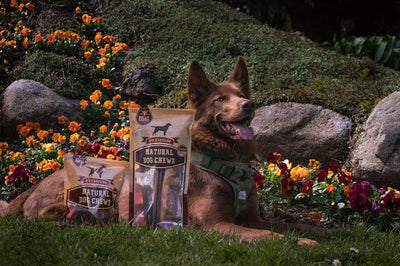
Just because dogs can eat cat treats in moderation doesn’t mean you should encourage them. Instead of letting your dog raid the cat's treat supply, stock up on high-quality dog treats made for their nutritional needs. Bully sticks from Bully Bunches make an excellent choice for dogs who need something to chew. They're single-ingredient, long-lasting, and provide protein without the excessive fat found in cat treats. They also satisfy your dog's natural chewing instinct while supporting dental health.
Freeze-dried treats also work well because you can break them into tiny pieces to control portions. This lets you reward your dog frequently without overfeeding.
Premium Dog Treats from Bully Bunches
Can dogs eat cat treats? Yes, they can eat them, but that doesn't mean they should make it a habit. Whether you're asking if cat treats are bad for dogs or if cats can eat dog treats, the best approach is to get them their own treats. Give your dog treats made for dogs, give your cat treats made for cats, and everyone stays healthier.
Ready to stock up on treats your dog will actually benefit from? Check out our premium dog treat collection featuring bully sticks, yak chews, and freeze-dried options, all formulated specifically for canine nutrition and satisfaction.